
Truck shoppers used to pick a side. You could chase fuel savings or you could chase muscle, but rarely both. Hybrid pickups have quietly erased that trade-off, and buyers are starting to expect a lot more from the trucks parked in their driveways.
- Hybrid trucks now span compact, mid-size, and full-size segments, so there’s an option for nearly every budget and job.
- Electric motors add instant torque, which helps with towing, hauling, and low-speed off-road work.
- Fuel economy gains vary widely by truck, with compact models like the Maverick leading the pack.
The Compact Truck That Started a Shift
The Ford Maverick proved that a small, fuel-sipping pickup could still feel useful. The 2026 Maverick earns an EPA rating between 23 and 38 mpg combined, depending on setup. That kind of mileage used to belong to sedans, not trucks with a bed out back.
Part of the appeal is simple sizing. The Maverick is the smallest truck in Ford’s lineup, filling the need for people who want pickup utility but are put off by ever-rising prices and bigger footprints. It carries a small stature and practical design, which makes it easy to live with day to day. For buyers who haul mulch and bikes more than boats, that’s a fair swap.
Full-Size Hybrids Keep the Work Truck Honest
Step up to the full-size class and the math changes. Ford’s F-150 hybrid posts an EPA rating in the 18 to 21 mpg combined range, with a starting price around $40,085. The numbers look modest next to the Maverick, but the F-150 plays a different game. It comes in enough versions to handle just about any job, from work sites to off-road trails to plain cruising. The hybrid system in a big truck is less about sipping fuel and more about adding usable power on busy days.
Toyota’s Tundra Hybrid pushes that idea further. It provides ample power along with plenty of room and safety features, and its fuel economy lands around 19 to 22 mpg combined. Pricing starts near $60,755. That’s the trade most full-size buyers are happy to make.
Where the Mid-Size Class Lands
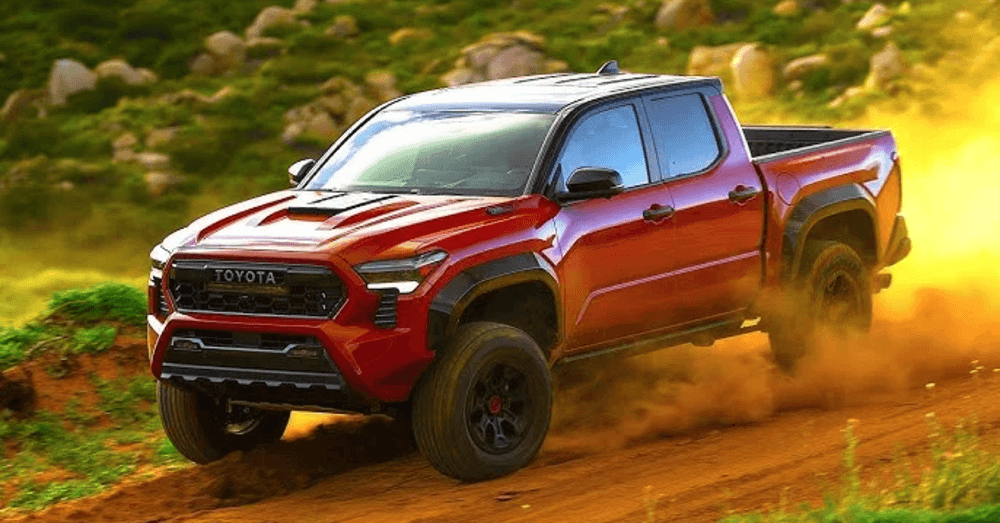
The mid-size segment is where the hybrid argument gets interesting, because the gains are more about feel than fuel. The 2026 Toyota Tacoma Hybrid carries the hallmark Taco traits buyers already love, paired with an electric assist that adds low-end shove. Its EPA rating sits around 23 to 24 mpg combined, competitive with the standard turbo rather than dramatically better.
That’s the catch worth knowing. The hybrid’s value leans more toward power and response than big savings at the pump. The Tacoma iForce MAX setup gives the truck stronger off-the-line muscle, which shows up where it counts during towing, hauling, and low-speed work. For some buyers that punch alone makes the upgrade worth it, even if the fuel math stays modest.
Pricing reflects the upgrade. The Tacoma Hybrid starts around $48,980, and the hybrid powertrain rides in the pricier trims, so buyers also pick up extra tech, comfort, and off-road hardware along with it.
What Smart Buyers Should Weigh Before Signing
The honest takeaway is that “hybrid” means something different in each segment. Want strong mileage and a friendly price? The compact Maverick delivers. Need real towing muscle with a bit of efficiency mixed in? The full-size hybrids earn their keep. Chasing instant low-end grunt for trails and hauling? The mid-size hybrids shine there, even if the pump savings are small. Match the truck to the work you actually do, and a hybrid pickup can give you more capability than the gas-only version it replaced. That balance is exactly why expectations have shifted, and why these trucks keep winning over skeptics.