
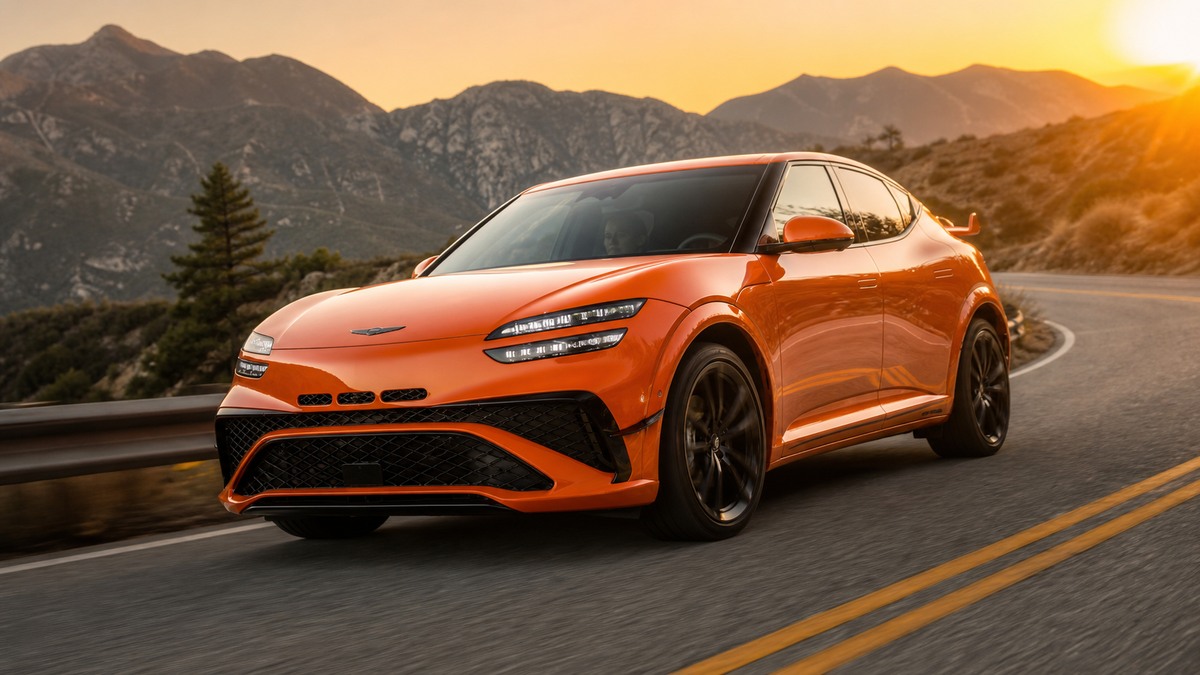
2027 Genesis GV60 Magma Price Explained
Genesis just put a number on its hottest electric crossover yet, and it lands at $71,495 with destination included. That figure kicks off the brand’s new Magma performance line, and it asks buyers to pay a real premium over the mechanically related Hyundai it shares so much with.
- The GV60 Magma opens at $71,495 including destination, roughly $10,000 above the Hyundai Ioniq 5 N
- That money buys a 27-inch OLED screen, quilted contrast-stitched surfaces, and a Bang & Olufsen audio setup
- First cars head to dealers in California, New York, and New Jersey in the coming weeks
Why the Number Looks the Way It Does
The Magma badge marks the start of a fresh performance sub-brand for Genesis, so the pricing sets a tone for everything that follows. At $71,495, the GV60 Magma sits about $10,000 above the Hyundai Ioniq 5 N, which recently had its own price trimmed. On paper that gap might raise an eyebrow, since the two cars share so much underneath. But the extra cash goes toward a very different cabin experience and a heavier dose of luxury.
The Ioniq 5 N is already a well-equipped machine, and nobody would call it bare. Genesis simply pushed the design and materials further. You get a wide 27-inch OLED display running across the dash, quilted upholstery with contrast stitching, and a Bang & Olufsen sound system, plus a long list of smaller upscale touches. The idea is a performance EV that also feels like a proper luxury product when you slow down and take in the details.
How It Drives Compared to Its Sister Car
Under the skin, the GV60 Magma behaves a lot like the Ioniq 5 N, though the two aren’t carbon copies. Both use simulated gear shifts and pipe in a fake engine sound to make the driving feel more analog. The twist is that the Magma plays a completely different tune. The engine note and torque curve it mimics were tuned specifically for the Genesis, so the soundtrack and the way the shifts land feel distinct from what you hear in the Hyundai.
A short first drive in Korea gave an early taste of how it all works, but a longer run on American roads will settle whether the Magma justifies its price against the cheaper Hyundai. The bones are promising. The real test is how the luxury polish and the tuned performance hold up over a full evaluation once cars land here.
Where the Price Sits Among Rivals
Step outside the Hyundai comparison and the Magma starts to look reasonable. A Porsche Macan GTS Electric opens more than $35,000 above the Genesis, and you’d still need to pile on options to match the equipment the GV60 Magma includes from the start. That’s a big cushion for anyone cross-shopping premium electric performance crossovers.
The Cadillac Optiq-V plays it closer. It comes in a couple grand under the Genesis before you add anything, so the two will trade blows depending on how each buyer specs them out. Against that backdrop, the Magma’s number reads less like a stretch and more like fair placement in the luxury EV field.
Colors, Interior, and Getting One
Building a Magma won’t take long, because the choices are tight. Genesis offers four exterior shades: Magma Orange, Uyuni White, Vik Black, and Makalu Gray Matte. Every one of them pairs with the same black interior, accented by Magma Orange stitching. A white interior stitching option shown on Korean-spec cars won’t cross over to the U.S. lineup, so orange is the look here.
Supply will be thin early on. Genesis plans to send the first GV60 Magmas to dealers in California, New York, and New Jersey in the coming weeks, which means shoppers in those three states get first crack. Everyone else will likely wait a bit longer as the rollout widens.
Is the Premium Worth Chasing
The GV60 Magma asks you to spend more than the Hyundai it’s based on, and the payoff is a richer cabin, a unique performance character, and a price that undercuts flashier badges like Porsche. If you want an electric crossover that goes hard and still feels genuinely plush inside, $71,495 buys a lot of car. The smart play is to see one in person, drive it back to back with the Ioniq 5 N and the Optiq-V, and decide whether the added polish earns your money. For a debut model launching a whole new performance line, it’s a confident opening bid.
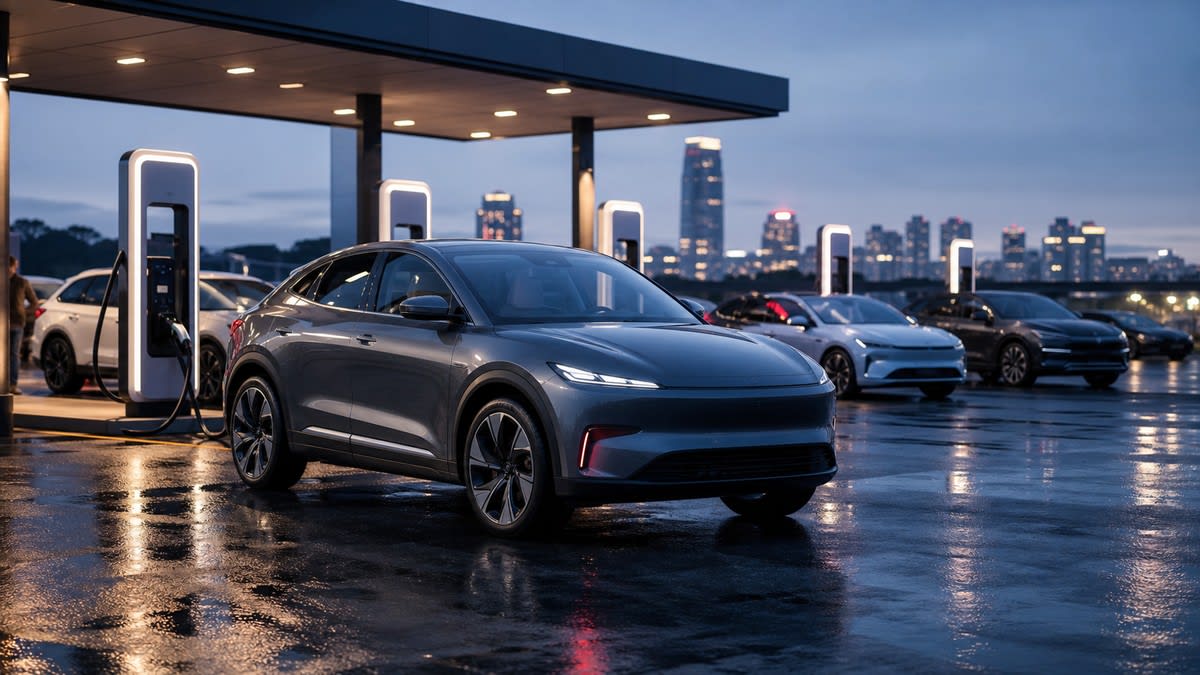
Tesla’s Q2 Bounce Just Rewrote the EV Scoreboard
Almost nobody saw this coming. After two straight years of shrinking delivery numbers, Tesla turned in a second quarter that made analysts scramble to update their spreadsheets. The company handed over 480,126 vehicles between April and June of 2026, a 25 percent jump from the same stretch last year and well past the roughly 401,000 that Wall Street had penciled in.
- Tesla delivered 480,126 vehicles in Q2 2026, beating estimates near 401,000 and snapping two years of decline.
- Higher gas prices, cheaper model trims, and a European recovery all fed the rebound.
- The wider EV market is warming again, but rivals like GM are seeing mixed results.
That number matters for reasons beyond one company’s balance sheet. For months, skeptics argued that losing the $7,500 federal EV tax credit would gut demand and drag the whole segment down with it. The quarter tells a more complicated story. Production landed at 451,758 vehicles, with the Model 3 and Model Y doing most of the heavy lifting, and inventory actually shrank as buyers moved faster than the factories.
What Actually Fueled the Rebound
Several forces lined up at once. Gas prices climbed earlier in the year on the back of geopolitical tension tied to the Iran conflict, and that spike stuck in people’s heads even after oil eased back down. When drivers watch the pump number climb, the lifetime math on an electric car suddenly looks a lot friendlier. Fleet operators and everyday buyers both nudged their timelines forward.
Software played a role too. Tesla widened access to its supervised Full Self-Driving system in a handful of European markets and kept sharpening the software. For tech-minded shoppers, that promise of future autonomy adds a layer of value that a spec sheet alone can’t match. It’s one way the brand keeps standing out while a lot of competitors compete mostly on range and price.
Then there’s the wallet factor. Tesla rolled out lower-cost versions of the Model 3 and Model Y, opening the door to people who had been parked on the sidelines waiting for a friendlier sticker. Pair that with attractive financing and leasing deals, and a lot of window-shopping turned into signed paperwork.
Europe Did a Lot of the Lifting
The overseas picture deserves its own spotlight. Registration numbers across Europe climbed thanks to government incentives, corporate fleets going electric, and cooler political headwinds around CEO Elon Musk. Strong exports from the Shanghai Gigafactory and a production ramp at Giga Berlin made sure supply could keep up with that renewed appetite. Corporate buyers chasing sustainability targets gave the quarter a steady base of volume that doesn’t swing with consumer mood.
Put together, these pieces formed a loop that fed on itself. The bears weren’t wrong that the tax credit’s expiration posed a real risk. They just underestimated how many other levers Tesla could pull to stay upright.
The Race Is Getting Crowded
The bigger picture matters most for anyone shopping right now. U.S. EV sales bounced back in Q2 to their highest level since the tax credit ended, and volume across the year is up nearly 15 percent. The recovery is uneven, though. General Motors still sits atop the overall U.S. sales chart at 714,896 vehicles for the quarter, yet its total sales slipped 4.2 percent so far in 2026, and its electric demand has cooled rather than caught fire.
That gap creates an opening for buyers. Someone weighing GMC electric vehicles against a Model Y or a Model 3 now has real leverage, since automakers are leaning on pricing, financing, and incentives to keep momentum going. The competition that once looked like a two-horse sprint is turning into a scrum, and shoppers tend to win when that happens.
Why Now Is a Good Time to Shop
Tesla’s quarter proves the electric market can grow even without a federal handout propping it up. For buyers, the smart move is to watch the whole field rather than fixate on one badge. Prices are moving, trims are getting cheaper, and rivals are sharpening their pitches to keep pace. Whether you land on a Tesla, a GM product, or something else entirely, this is shaping up to be one of the better stretches in years to shop for an electric car and actually get a deal worth signing.