
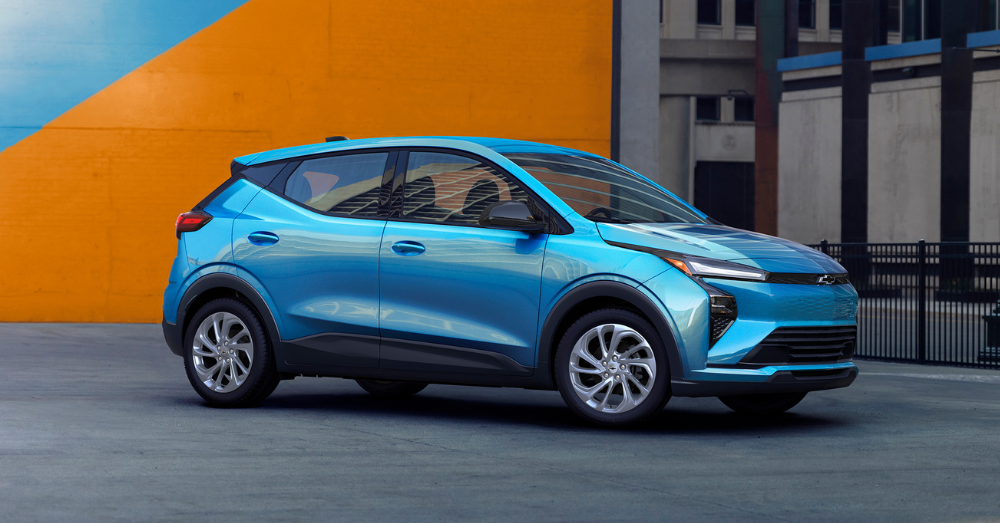
General Motors pulled off something automakers almost never do, they’re bringing back a discontinued model after just two years. The Chevrolet Bolt, which stopped production in December 2023, is returning for the 2027 model year with a starting price of $28,995. But don’t wait too long if you want one, because GM is calling this a “limited run” model.
- The 2027 Bolt starts at $28,995 and offers 262 miles of EPA-estimated range, making it America’s most affordable EV.
- GM upgraded the charging speed to 150kW (10-80% in 26 minutes), which is three times faster than the previous generation.
- The new Bolt is already arriving at dealerships in January 2026, but production will be limited.
Why GM Changed Its Mind
When GM announced the Bolt’s retirement in April 2023, customers weren’t happy about it. People called, sent letters, and posted on social media to express their frustration, prompting senior leaders to reconsider the decision. The Bolt had built a loyal following, 70% of its customers were new to GM, and the company realized they had something special on their hands.
The car will begin shipping to customers early next year and will be a limited run model. That’s the catch. While other automakers might look at strong customer demand as a reason to ramp up production, GM seems hesitant to commit long-term. If you’re shopping around and visit a Chevrolet Malibu dealer, you might notice the same hesitation with sedans, GM has been moving away from traditional car segments in favor of SUVs and trucks.
What’s Actually New
The 2027 Bolt looks similar to the old Bolt EUV on the outside, but the upgrades are real. It uses a 65 kWh lithium-iron phosphate battery pack and delivers 262 miles of range. The real improvement is charging speed, the new Bolt charges at a peak of 150kW, with 10-80% charge taking 26 minutes, compared to the old model that maxed out at just 50kW.
Inside, you’ll find an 11.3-inch touchscreen and an 11-inch driver information center. GM also made the cupholders bigger (finally someone thought of people with insulated tumblers) and redesigned the center console. The Bolt can also discharge at up to 9.6kW when connected to GM’s Vehicle-to-Home products, which means you could potentially power your house during an outage.
The new Bolt is built on the GM Ultium platform, sharing components with the Equinox EV. This parts-sharing strategy is how GM keeps the price low. The launch model starts at $29,990, with a more affordable version coming later in the model year for $28,995.
The Limited Run Question
The odd thing is that GM keeps saying “limited run” without explaining what that means. Chevy is calling this the 2027 Bolt even though 2026 just started, suggesting it will be available through at least some portion of next year, but they haven’t committed to anything beyond that.
Why would GM bring back a popular, profitable car only to kill it again? One theory is that they’re testing the waters to see if there’s still demand for small, affordable EVs. Another possibility is that this limited production run helps them meet certain regulatory requirements or market demands without fully committing their Kansas factory to Bolt production long-term.
The timing is also awkward. Federal EV tax credits have become uncertain, which could hurt sales. But at under $29,000, the Bolt is cheap enough that many buyers might not care about the $7,500 credit anyway. At $28,995, it’s the cheapest EV available in America for now.
Should You Buy One?
If you need an affordable electric car and don’t want to gamble on whether GM will keep making them, your window might be short. The 2027 Chevy Bolt will be available at Chevrolet dealers in the first quarter of 2026, and some dealers are already receiving inventory.
The Bolt makes sense for people who mostly drive around town and want something practical. The 262-mile range should handle most daily commutes with room to spare, and the faster charging means road trips won’t be quite as painful. At this price point, you’re getting a lot of car for the money, even if you don’t know how long GM will keep making it.
The bigger question is what happens after this “limited run” ends. Will GM finally commit to keeping the Bolt around? Or will we be right back here in 2028, wondering why they killed it again? For now, the Bolt is back. Whether it stays that way depends on sales numbers, market conditions, and whether GM’s executives keep listening to those customer letters.